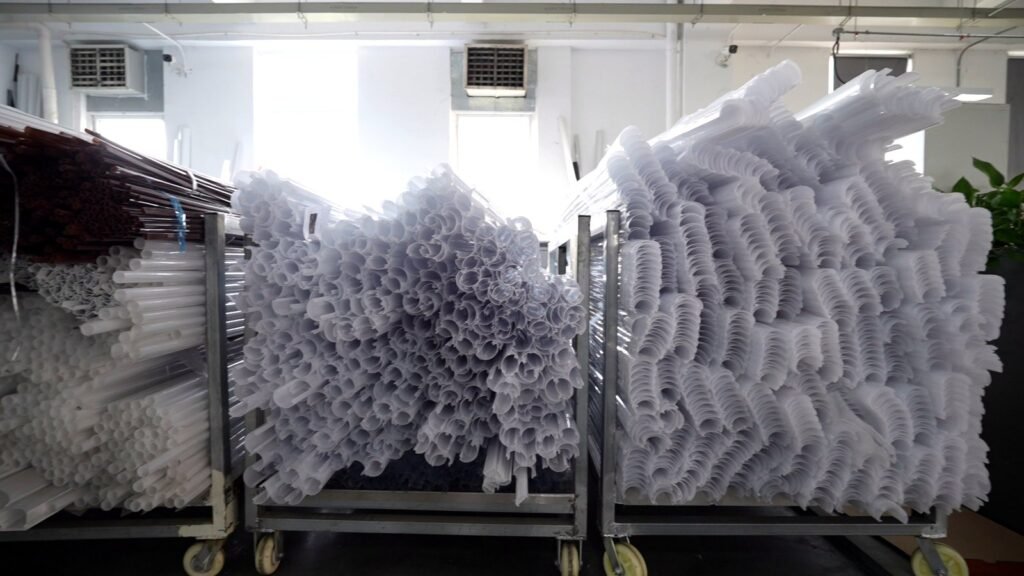
LED Strip Light Extrusion: Channel, Cover and Mounting
How to specify an extrusion for LED strip: channel depth, cover optics, mounting method, and the four decisions that decide whether the run looks continuous.
How to specify an extrusion for LED strip: channel depth, cover optics, mounting method, and the four decisions that decide whether the run looks continuous.
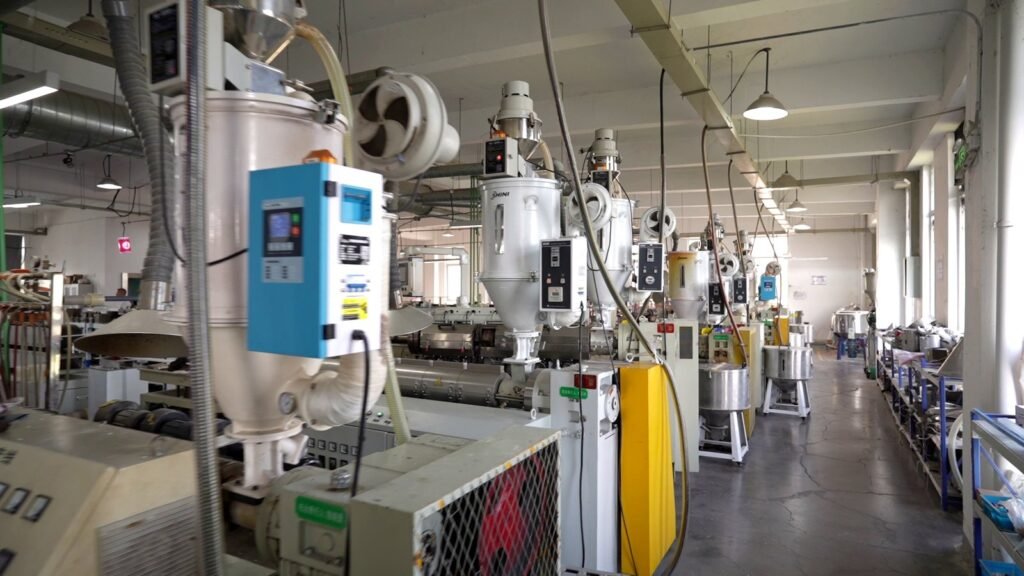
What co-extrusion buys a lighting profile — a rigid body with a flexible lip, a clear lens with an opaque light block — and what it costs in tooling and trials.
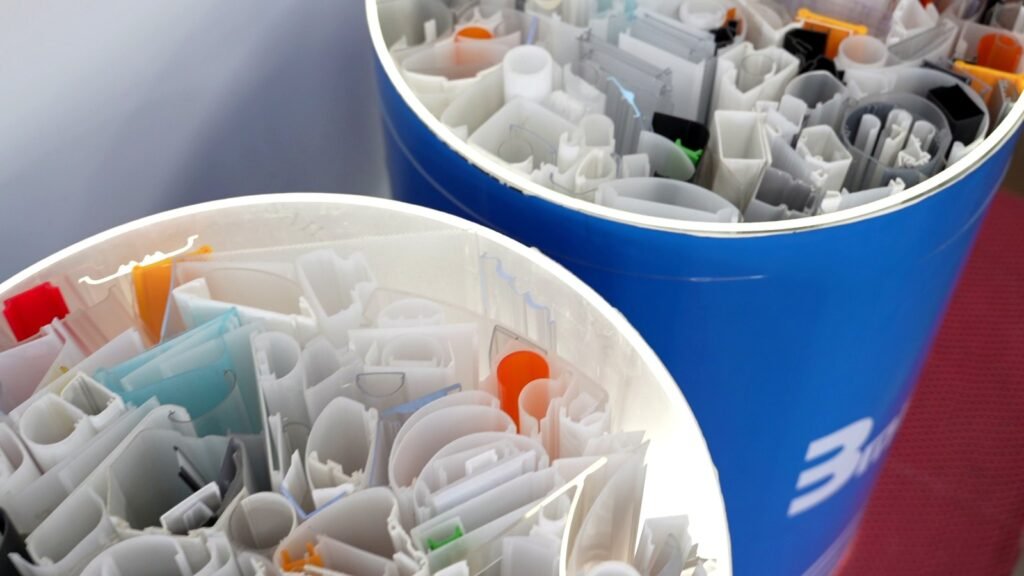
What extruded PMMA does well in a luminaire, where it loses to polycarbonate, and the six lines your drawing needs before an acrylic profile can be quoted.
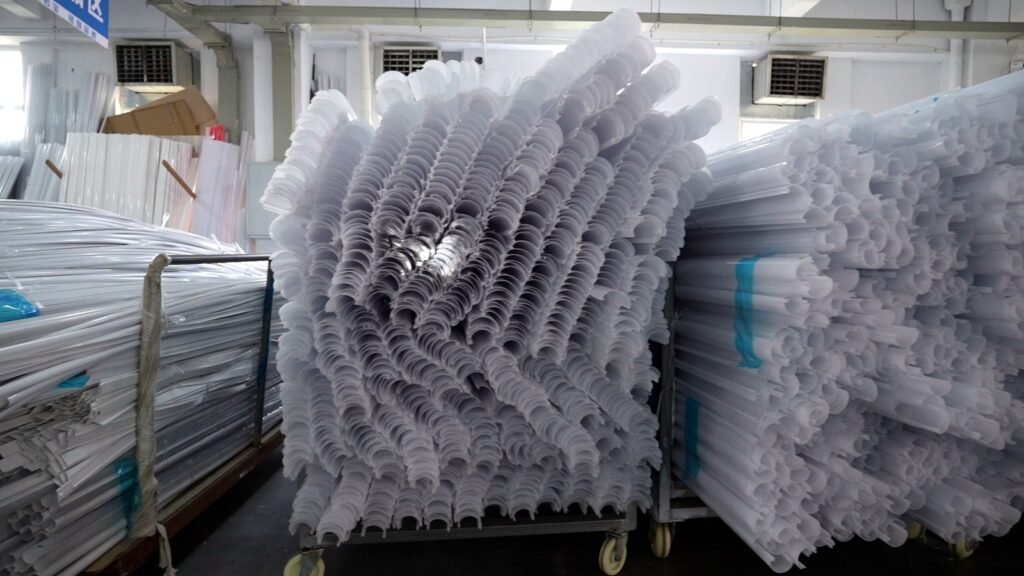
A diffuser hides the emitter and costs light. A lens shapes the beam and costs uniformity. How to choose for linear fixtures, and how to combine them.
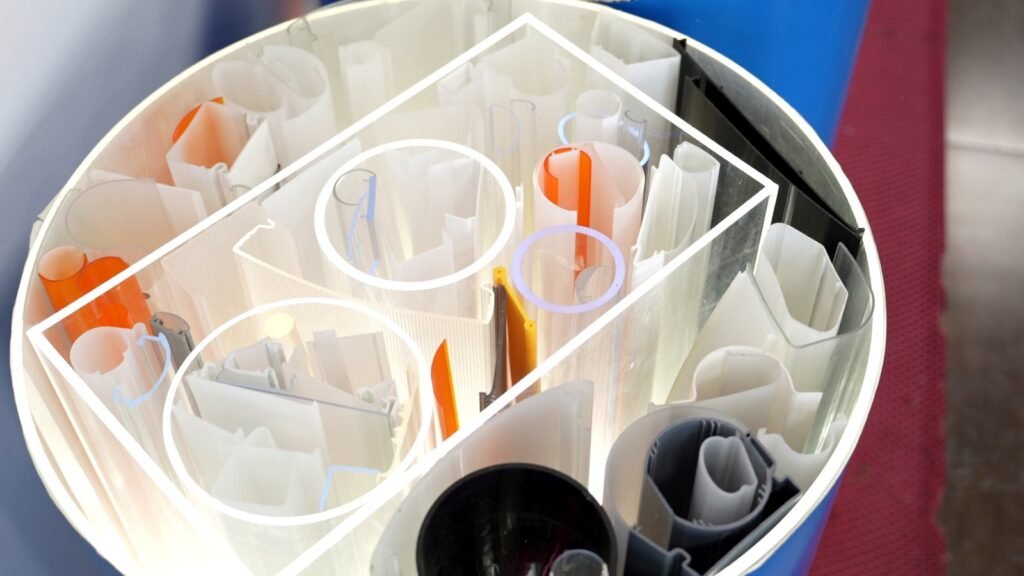
An extruded lens is one optical axis repeated forever; secondary optics are placed per emitter. How to choose for linear fixtures, and the limits of each.
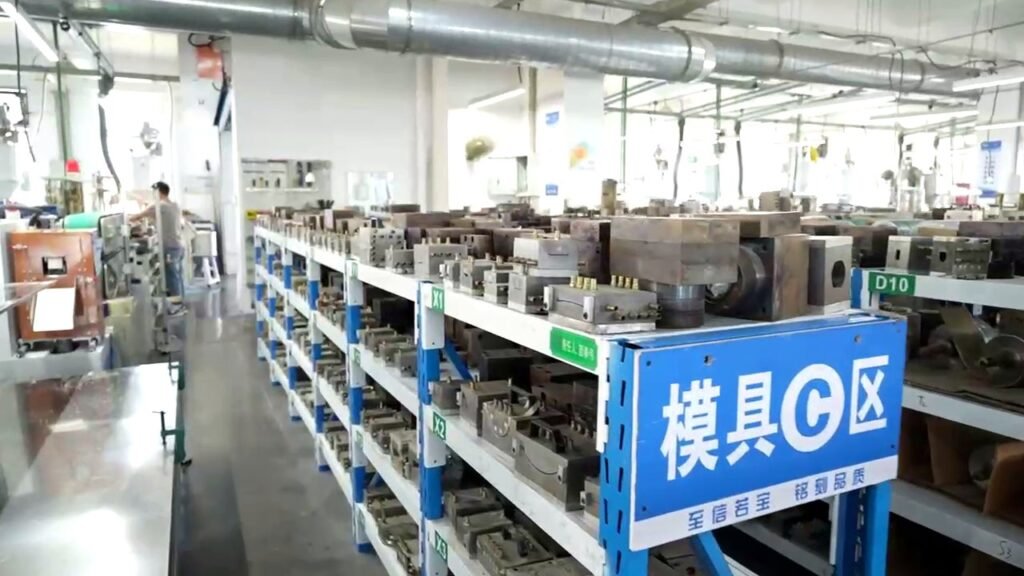
What is inside a custom extrusion tooling quote, who owns the die afterwards, and the five factors that move the number. No list prices — just the structure.
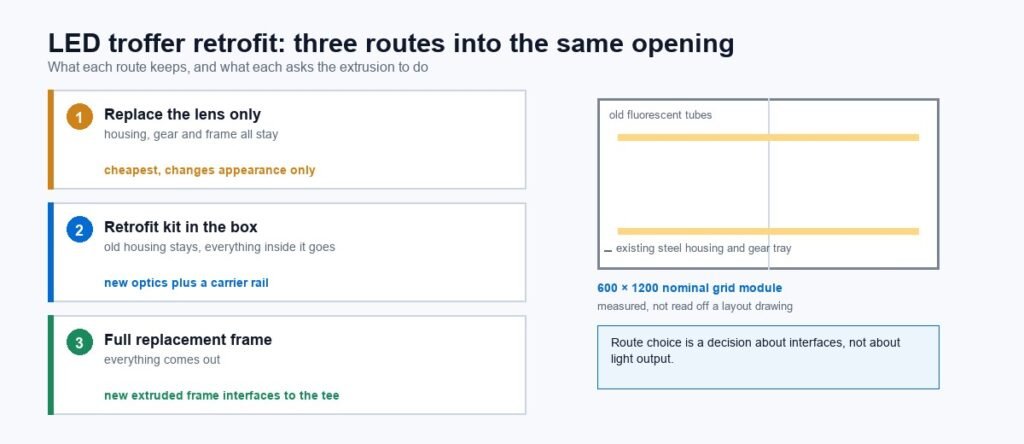
Retrofitting means designing to the opening you have. Three retrofit routes, the measurement trap in old housings, and what ballast removal changes.
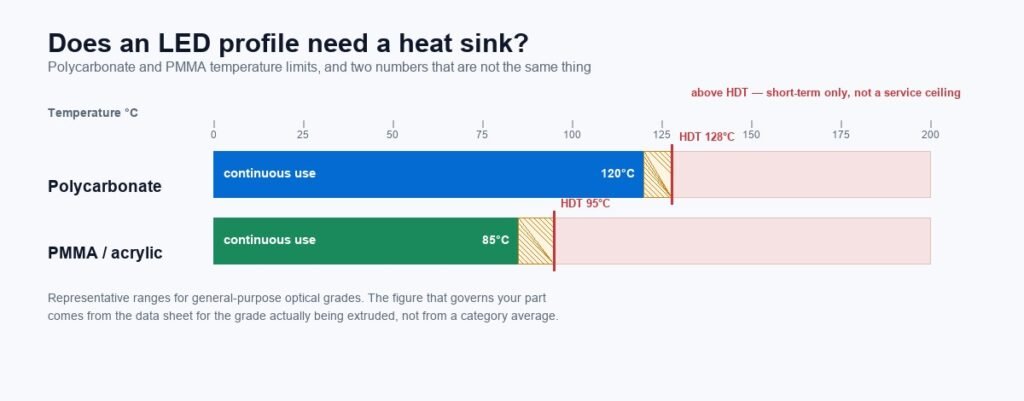
Plastic is not a heat sink and does not need to be. What PC and PMMA tolerate, the two data sheet numbers to ask for, and when you need aluminium.
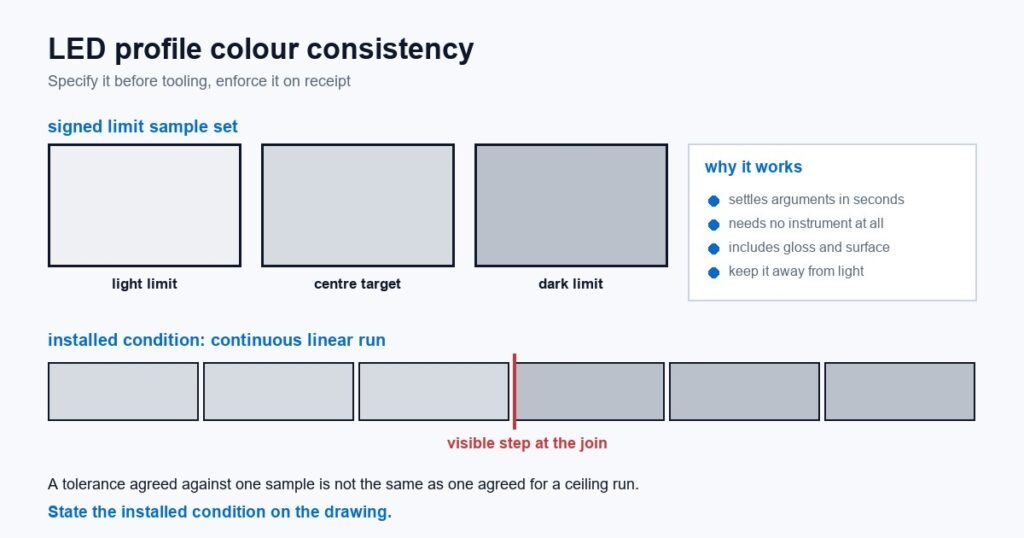
Two batches of the same diffuser can look different side by side. Where the drift comes from, how to specify it, and the checks worth doing on receipt.
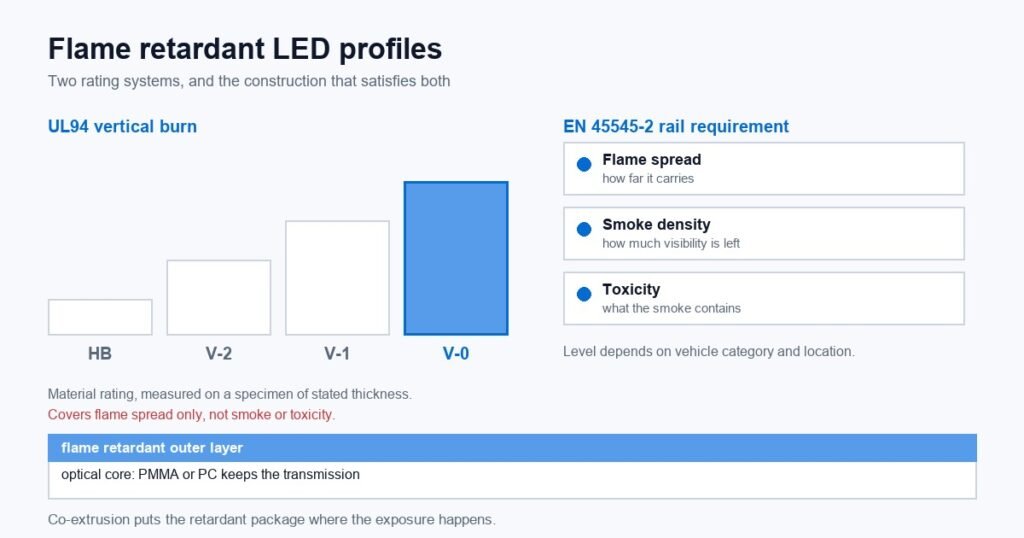
Rail, metro and bus interiors need flame retardant extrusions. What UL94 V-0 covers, what EN 45545-2 adds, and how to write both into a spec.
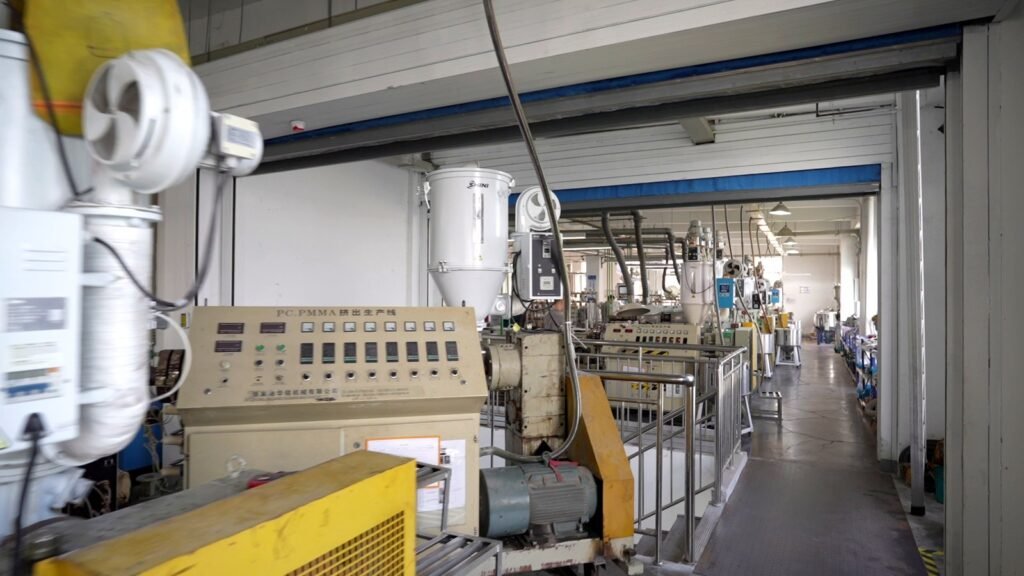
A profile leaves the die soft. Dual-belt haul-off, inspection and a lot number decide how it arrives, and whether a complaint can be traced back.
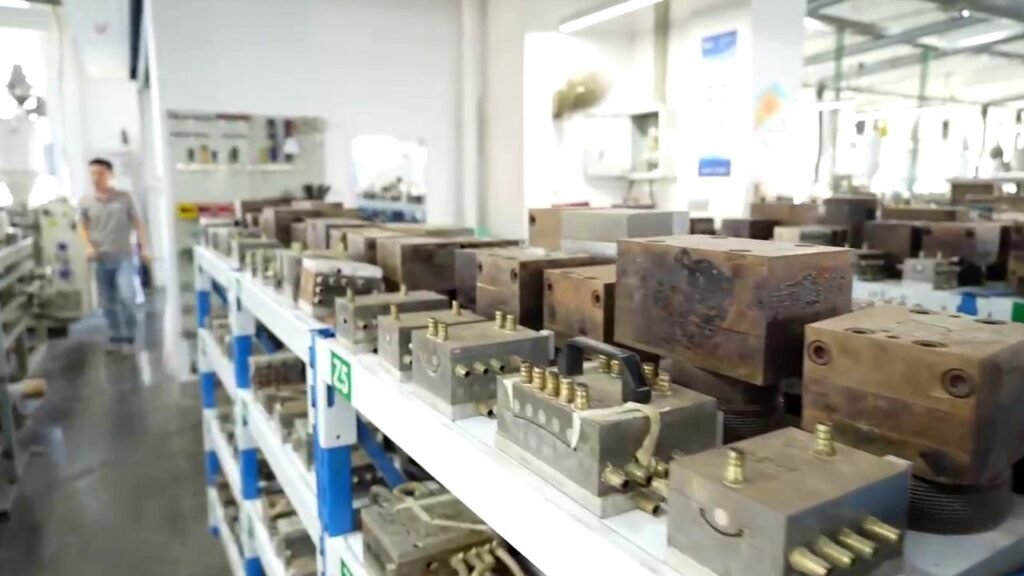
Tooling quotes rarely say who designs the die or who pays at 200,000 m. Four gates of an in-house die shop and the three clauses worth writing in.